
 3 hours ago
2
3 hours ago
2

Get up, after a restless sleep. Shower, using products that contain plastic and are in plastic containers. Fix your hair and deodorise your body using sprays smoothed by plastics, before putting on clothes woven from synthetic (plastic) fibres, picking up your plastic phone and heading out, sipping water from a plastic bottle. Chew plastic gum. Buy a snack wrapped in plastic and receive a receipt printed on plastic-covered paper. Come home, take food out of its plastic packaging, cook it with plastic utensils, then store the leftovers in plastic tubs and clean up with detergents that contain plastics and come in plastic bottles. Clean your teeth with a plastic toothbrush and plastic-infused toothpaste. Go to bed.
The list of ways in which humanity is committing species suicide may be long and growing, but The Plastic Detox is here to suggest that room should be found for the overwhelmingly widespread use of petrochemical-derived plastics. It focuses on one way we are affected by microplastics (the tiny particles that enter our bodies, having broken loose from the surface of plastic), which is called endocrine disruption: these minuscule invaders mess with the body’s hormones and contribute to all kinds of health problems, among them infertility. That’s the main concern of this documentary’s protagonist, epidemiologist Shanna Swan, whose 2021 book Count Down claimed that chemicals in plastic are a factor in falling sperm counts. (The programme doesn’t go into the debate about the difficulties of measuring exactly how vulnerable we are to microplastics: some studies have produced unlikely numbers.)

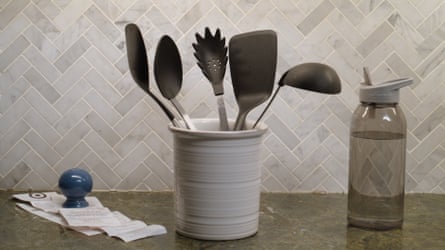
Swan, a vibrantly bustling grandmother of six and great-grandmother of a precious one, hooks us in with an experiment flavoured by reality TV. Visiting Florida, California and Idaho, she finds six couples who are struggling to conceive, and challenges them to live for three months with their exposure to plastics dramatically reduced. Like a one-woman Queer Eye who offers glass bottles instead of better-fitting jeans, a Marie Kondo who brings joy by replacing plastic spatulas with wooden ones, or a Supernanny who arrives several years early to help you have the kid in the first place, Swan sweeps in to turn ingrained routines upside down. Cupboards are raided. Supermarket visits become warnings about the mass of plasticky bad stuff on the shelves.
The couples, who have been trying and failing to procreate for periods ranging from 22 months to 10 years, talk emotively about the sadness of remaining childless. Partners feel unable to make the person they love truly happy, as Father’s and Mother’s Days pass uncelebrated, and gatherings of family or friends become reminders of the unattainable joys of parenthood.
Those small ironies and agonies are affecting, but the couples are just The Plastic Detox’s way into the subject. It regularly leaves the lifestyle experiment behind and swerves into regular documentary territory, setting out the mechanics of a problem that is as terrifying as it is enraging: the extent of it seems insurmountable.
We’re given a quick history of how plastics became more problematic when it was found that they could be made cheaply from fossil fuels, how ubiquitous those plastics now are, and how the pollution caused by making and disposing of them makes the material an environmental catastrophe before microplastics are even considered. We hear how petrochemical companies have spun the public myths about how easy it is to recycle plastics, while using their power and wealth to compromise governments’ ability to keep citizens safe: there is an extraordinary archive clip of a 2011 Senate committee hearing in which John Kerry forces a guy from the federal regulator, the Food and Drug Administration, to admit that its data on the toxicity of plastics comes from the manufacturers themselves. In terms of harms that were recognised and then largely overcome, comparisons are made with leaded petrol and tobacco, the difference here being that nowhere near enough harm reduction has taken place.
Not all of this can be translated directly to the UK, since the US has particularly poor safeguards – although the kicker there is that the superior European regulations that are lauded in this film are a perk of EU membership. But The Plastic Detox’s call to action is globally applicable. It forthrightly advocates for independent producers making organic, plastic-free products in the fashion, beauty and homeware sectors, and champions the Louisiana activists who stopped a multibillion-dollar chemicals plant being built on their doorstep. It’s unequivocal in its diagnosis that the rot in the system is the pursuit of infinite profit.
After all this doom, Swan’s final visits to the six couples reward us with happy tears: her admittedly small-sample experiment has produced startling results, including some that go beyond being pregnant or not. Do viewers of documentaries like this one really change their own lifestyles after watching them? The Plastic Detox states it plainly: we really should, and most of us have a lot of work to do.








 English (US) ·